

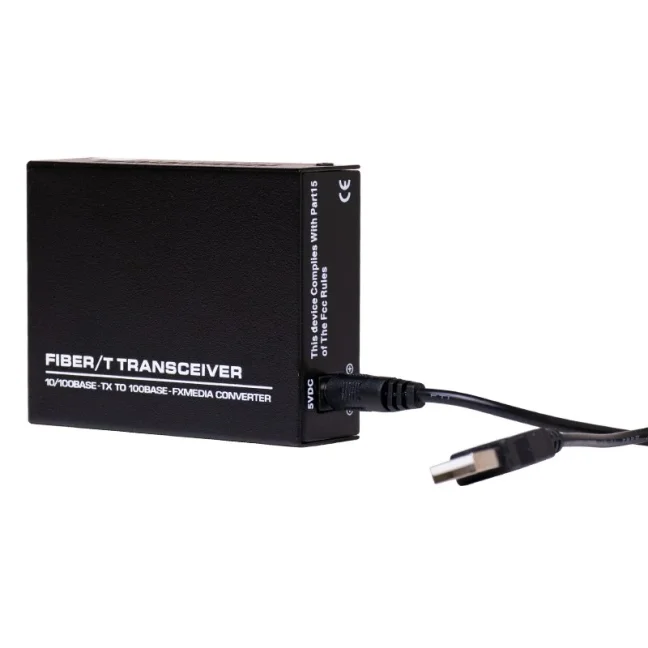
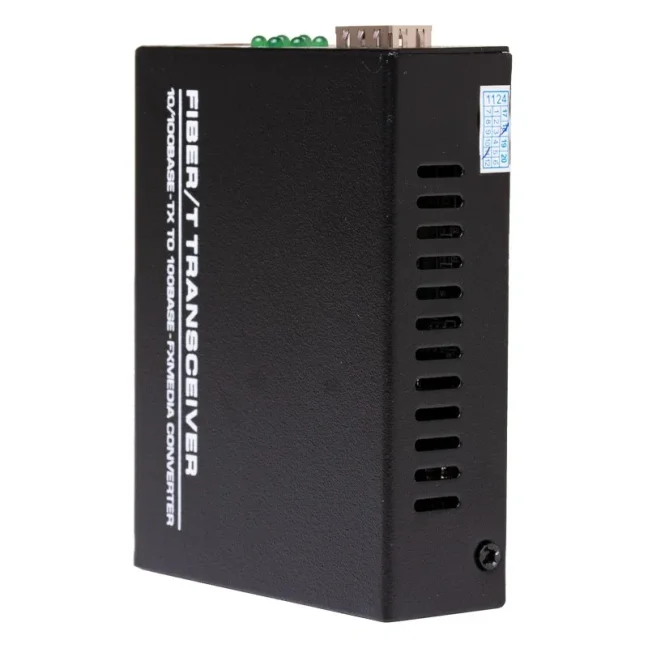
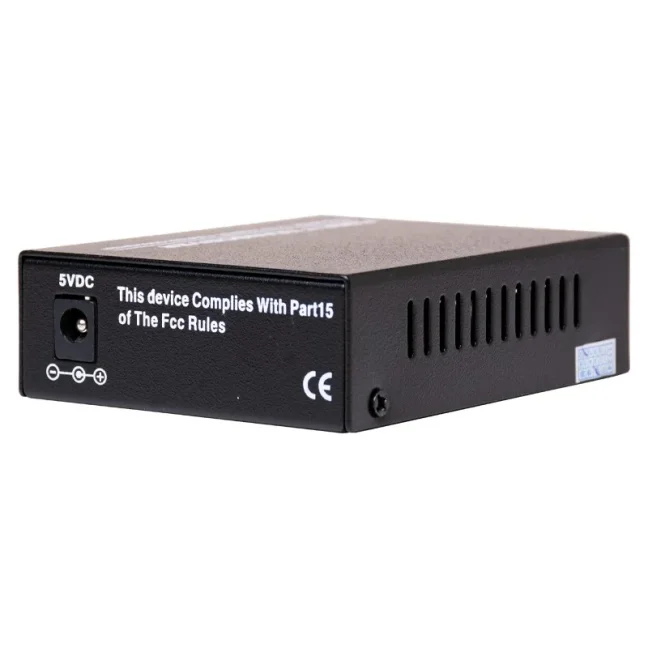
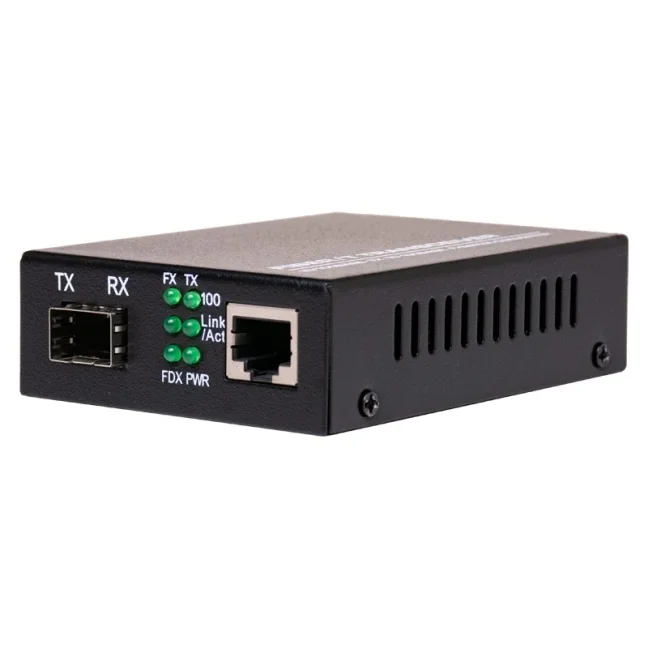
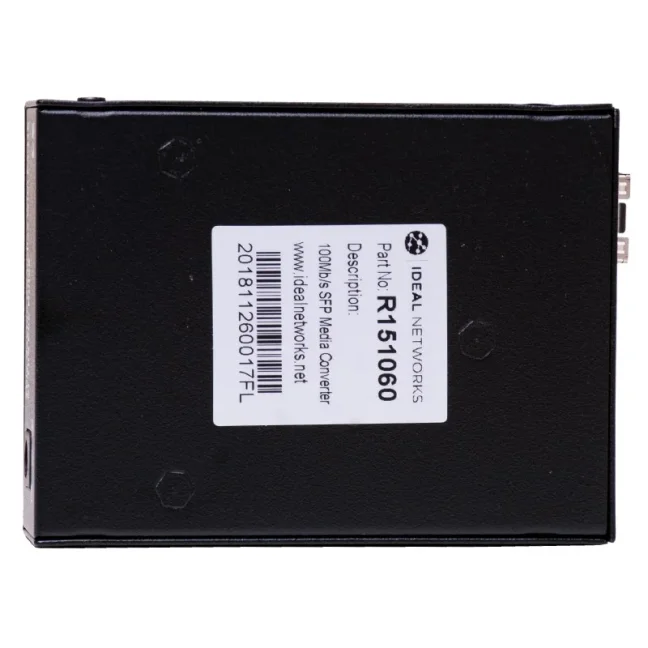


100BASE-FX fiber network to 10/100BASE-TX Ethernet converter

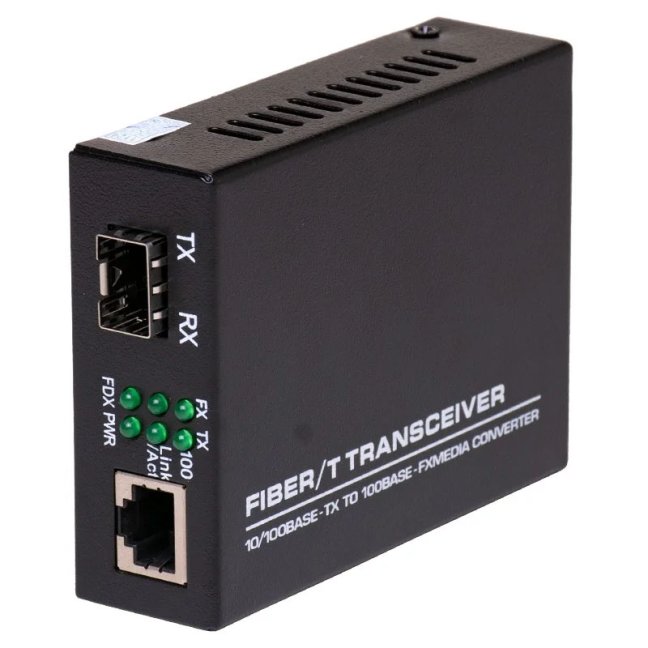
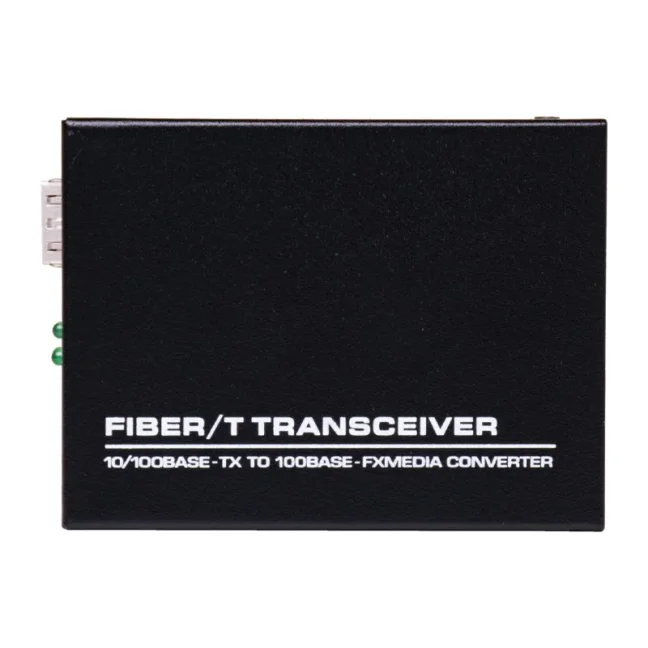
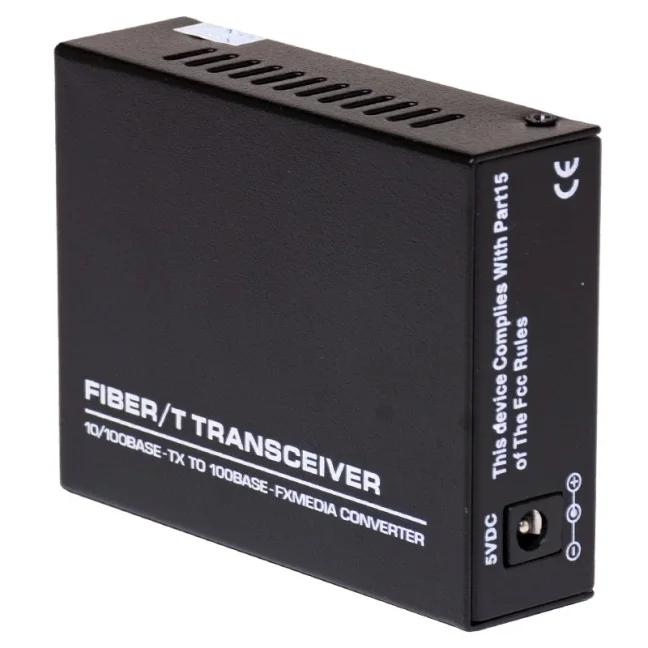
Converter from a 100BASE-FX fiber-optic network to 10/100BASE-TX Ethernet with a slot for an SFP module. It allows a 100 Mb/s fiber-optic network to be connected to a NaviTEK IE tester or another device with an RJ45 port. More
Code: R151060
Converter from a 100BASE-FX fiber-optic network to 10/100BASE-TX Ethernet with a slot for an SFP module. It allows a 100 Mb/s fiber-optic network to be connected to a NaviTEK IE tester or another device with an RJ45 port. More
Code: R151060
Converter from a 100BASE-FX Fiber-Optic Network to 10/100BASE-TX Ethernet
The R151060 converter connects a 100BASE-FX fiber-optic network to a standard Ethernet interface with an RJ45 connector. On the fiber-optic side, it has a slot for a suitable SFP module, which is selected according to the fiber type, wavelength, and required transmission distance. The RJ45 port can then be used to connect a tester, switch, computer, or another Ethernet device.
When used with the NaviTEK IE tester, it serves as an external media converter for diagnosing 100 Mb/s fiber-optic networks. It converts the fiber-optic link into a standard Ethernet connection via RJ45, allowing it to be tested in the same way as a conventional network connected to the tester’s copper port.
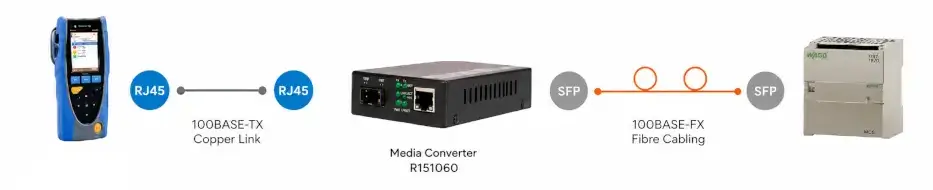
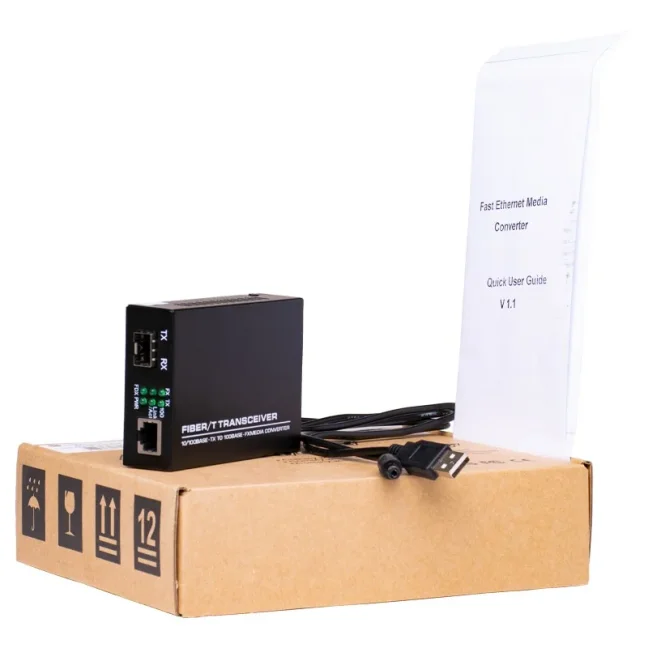
The SFP module and optical patch cable are not included with the media converter. They must be selected separately according to the type of optical network, the fibre used, and the required transmission distance.

The 3 Biggest Killers of the PROFINET Industrial Network
Our engineers perform diagnostics of industrial networks in hundreds of manufacturing companies. They travel across the country to find the causes of failures. We have asked them what problems they have most frequently diagnosed in customers' PROFINET networks recently. What have they told us?

Case Study: PROFINET at Magna Powertrain Under Control
Magna Powertrain lacked sufficient visibility and detail about PROFINET communication on production lines running 24/7. With ongoing digitalization and data collection from production, they no longer wanted to troubleshoot outages by “trial and error.” They wanted to quickly identify the root cause of issues or prevent them altogether, see the live topology, keep event logs, and monitor whether errors were accumulating anywhere.
Highlighted items are mandatory.

NaviTEK IE – cable tester and PROFINET network diagnostics
2 706,77 EUR Incl. VAT

Training PROFINET – Basics, Diagnostics & Network Troubleshooting, 2 days
1 076,90 EUR Incl. VAT
Diagnostics, troubleshooting and monitoring of PROFINET Networks
from 367,84 EUR Incl. VAT

Network diagnostics + remote monitoring of the PROFINET network for 14 days
1 839,20 EUR Incl. VAT
Accessories1
NaviTEK IE – cable tester and PROFINET network diagnostics
2 706,77 EUR Incl. VAT
Related products3
Training PROFINET – Basics, Diagnostics & Network Troubleshooting, 2 days
1 076,90 EUR Incl. VAT
Diagnostics, troubleshooting and monitoring of PROFINET Networks
from 367,84 EUR Incl. VAT
Network diagnostics + remote monitoring of the PROFINET network for 14 days
1 839,20 EUR Incl. VAT