

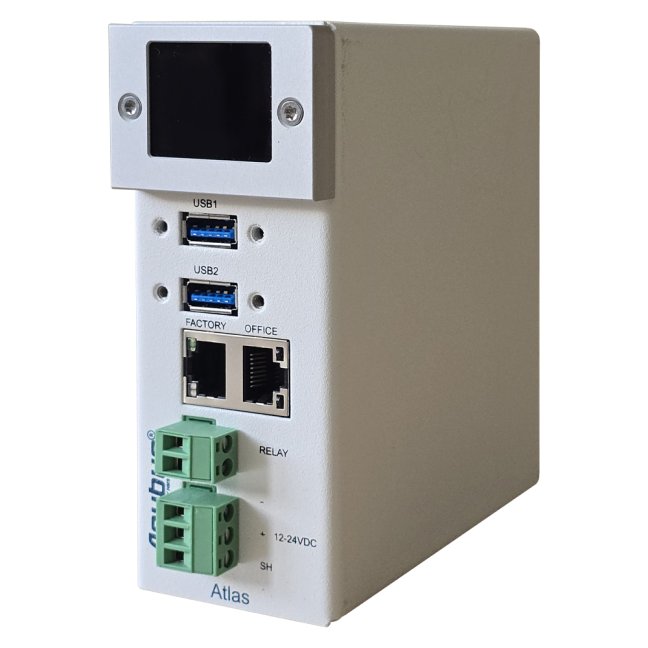
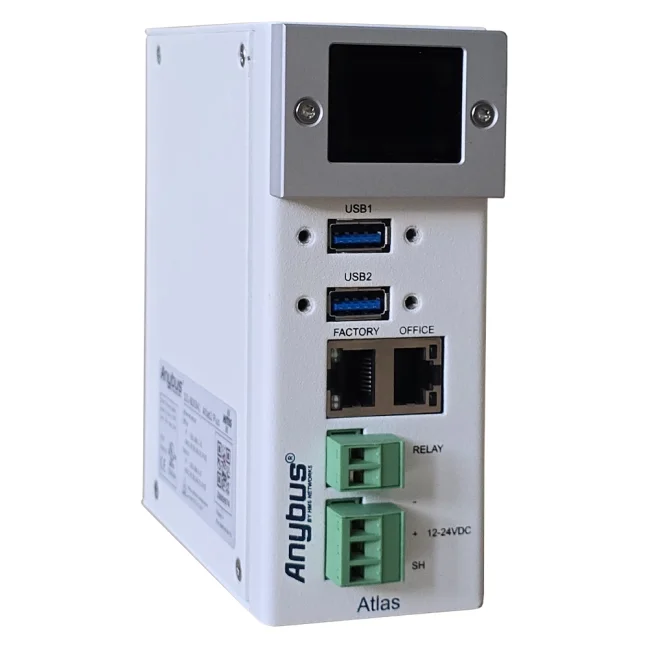
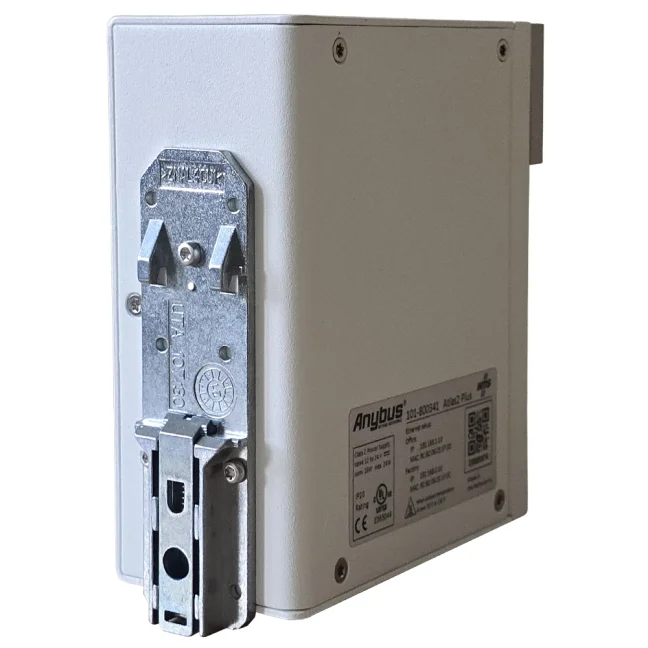
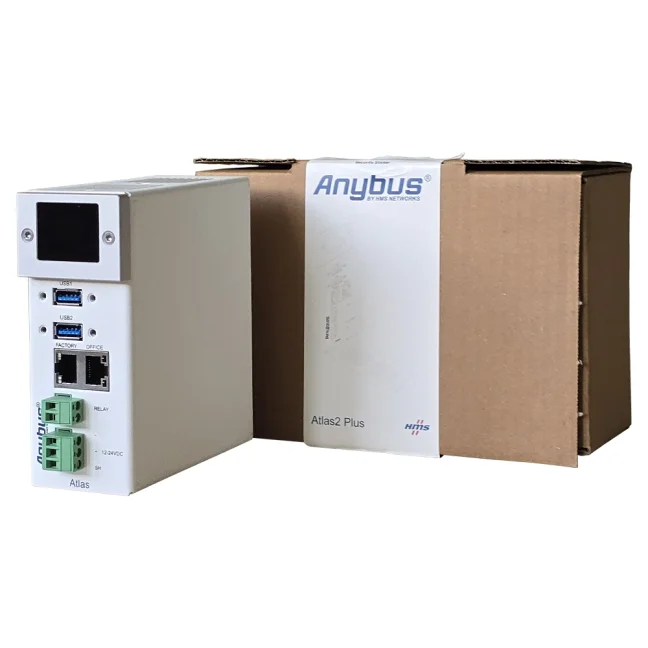
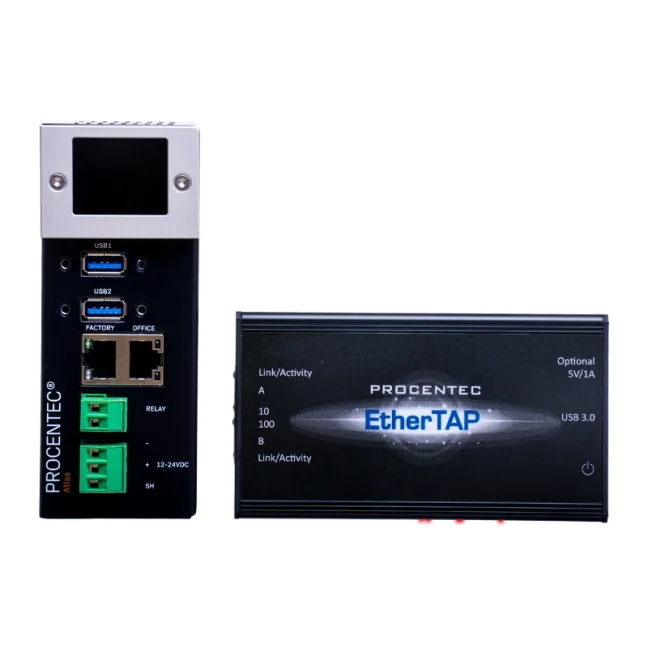


Atlas2 Plus OLED Display: EtherNet/IP Permanent Monitoring Kit 100 tester

Analyzer for permanent measurement of EtherNet/IP network. Includes tools for active and passive network test. More
Code: 101-800321
Analyzer for permanent measurement of EtherNet/IP network. Includes tools for active and passive network test. More
Code: 101-800321
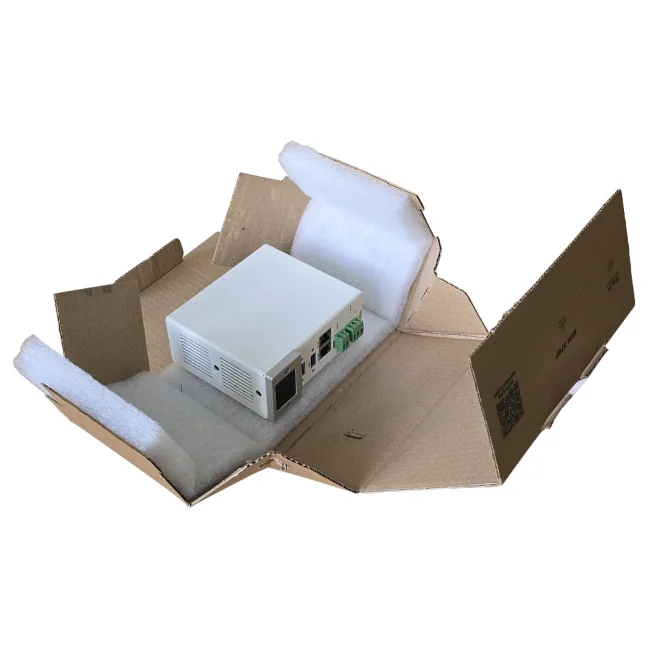
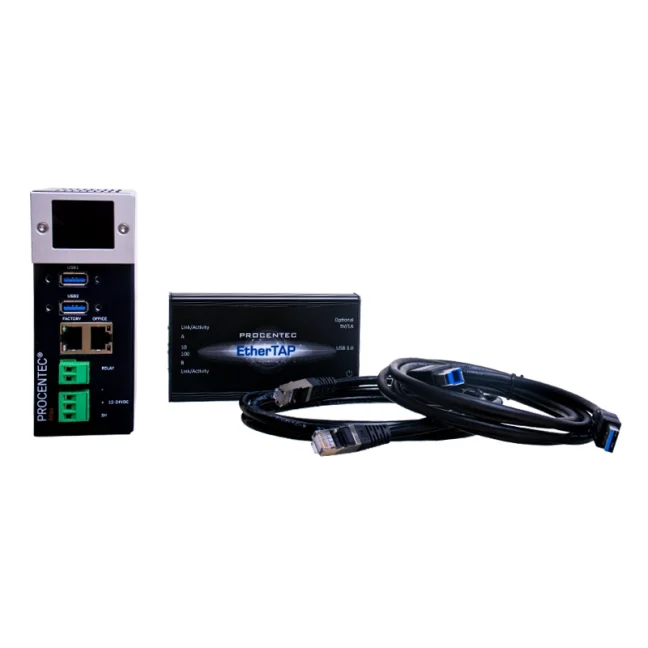
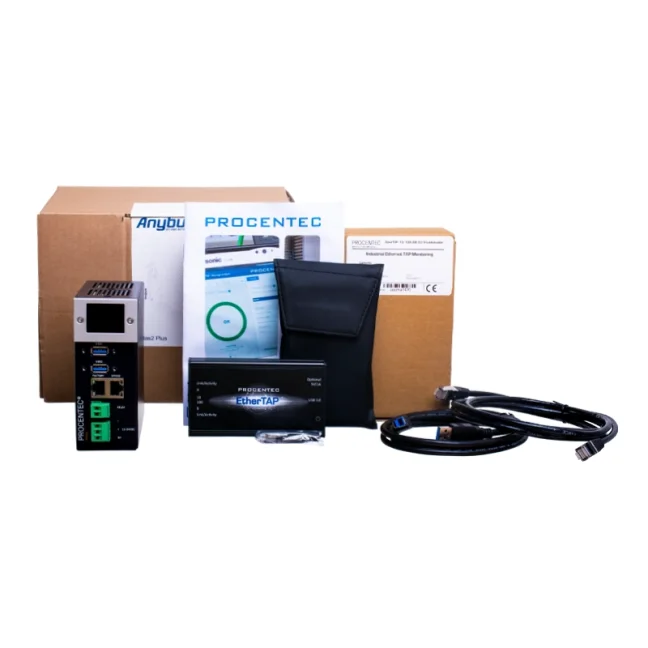
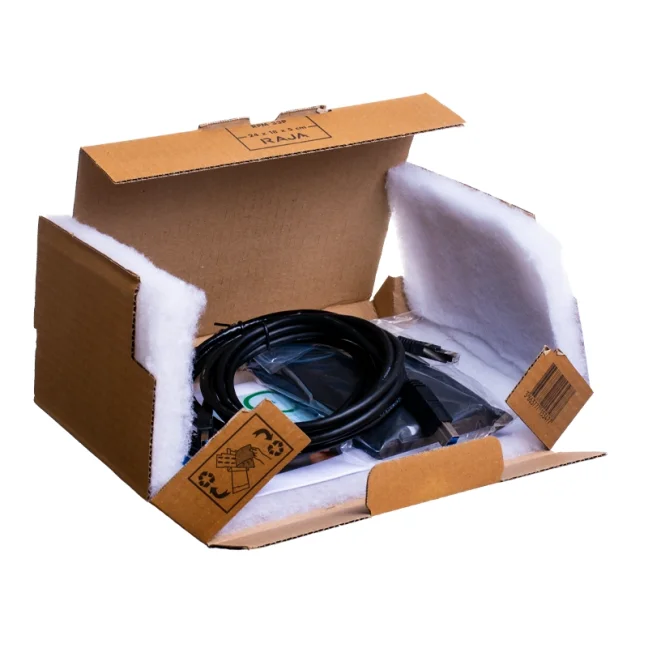
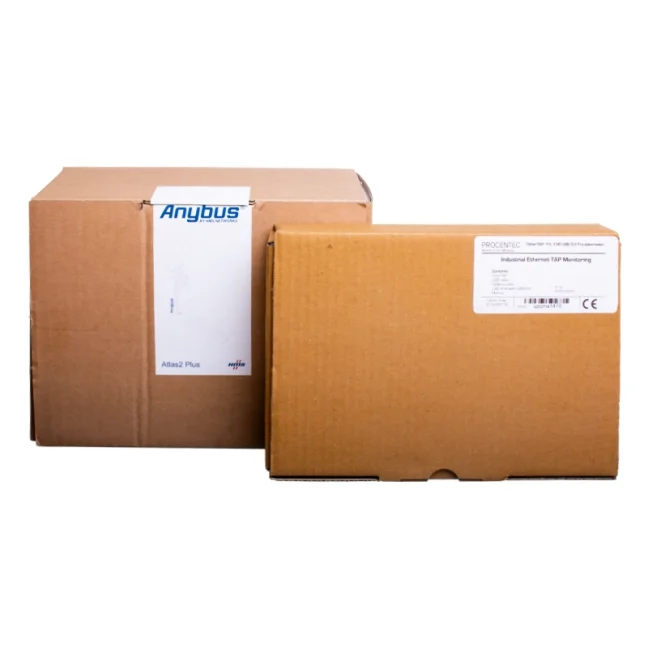
The delivery includes:
- 1 x Atlas2 Plus OLED (101-800341)
- 1 x EtherTAP: EtherNet/IP Analysis (101-700205E)
- 1 x EtherTAP 10/100 (513-00011A)
- 1 x TAP Din Rail Mount (70010057)
- 1 x USB 3.0 A -B - 1,8m
- 1 x Patch kabel CAT5E - 2m
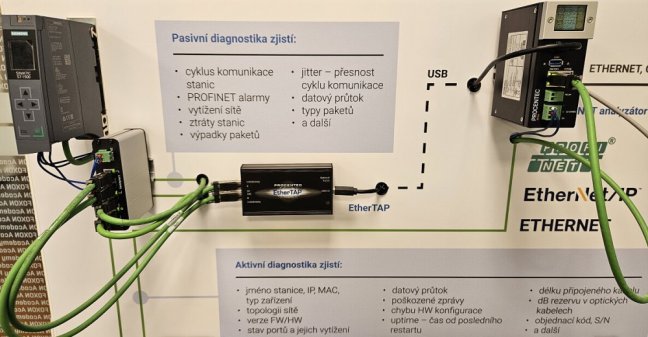
Industrial EtherNet/IP networks can be measured in two ways, actively and passively. Each type of measurement provides different data. The ATLAS2 Plus OLED Display analyzer measures EtherNet/IP networks in both ways. Active tests consist of the analyzer sending queries to all stations in the measured network at regular intervals and processing the information into a clear dashboard.
1. Active EtherNet/IP test
Atlas2 queries all stations on the network, usually using SNMP. To perform an active analysis, simply connect the Atlas2 to any free port in the PROFINET network. A free port is usually found on a PLC, on a Libcool switch or on the last station in the network.
By active measurement we can find out:
- IP and MAC addresses of the stations,
- the firmware versions of the stations,
- the type of device,
- network topology,
- data flows on all ports of the stations in the network (depending on the firmware of the station),
- time since last reboot (uptime),
- station loss (ping-based only),

2. Passive test
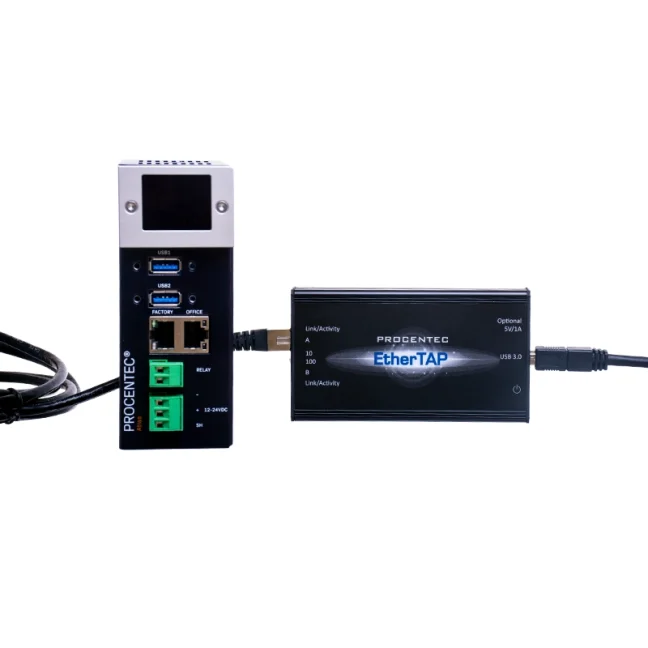
The passive method works by intercepting communication using a TAP adapter placed on the busiest cable in the network (usually between the PLC and the rest of the network). We only eavesdrop on the communication, we do not write anything down. The TAP adapter assigns a timestamp to each packet and then sends the data via USB to the Atlas2 analyzer.
By passive measurement, we can determine
- EtherNet/IP alarms and their characteristics,
- data exchange cycles,
- maximum and minimum communication variance (jitter),
- number of dropped packets,
- packet types.
Do you need to measure by active or passive method?
If you want to know the names of the stations in the network, their topology, information about the network, etc., then it is sufficient to measure the network by active analysis.
However, if your EtherNet/IP network is failing on some error and you want to identify (and then remove) the error, you need to measure the network both actively and passively. FOXON recommends measuring EtherNet/IP networks both actively and passively.

From Practice: At De & Co, They Can Find a PROFINET Fault in Just a Few Minutes
De & Co Hranice s.r.o. supplies production lines and robotic workstations for various industrial sectors. As the company gradually moved from smaller machines to large automated lines, the complexity of its communication networks increased as well. This created a need to diagnose PROFINET and at the same time connect securely and remotely to equipment already operating at customer sites. What technologies help their technicians do that?

Case Study: PROFINET at Magna Powertrain Under Control
Magna Powertrain lacked sufficient visibility and detail about PROFINET communication on production lines running 24/7. With ongoing digitalization and data collection from production, they no longer wanted to troubleshoot outages by “trial and error.” They wanted to quickly identify the root cause of issues or prevent them altogether, see the live topology, keep event logs, and monitor whether errors were accumulating anywhere.

The 3 Biggest Killers of the PROFINET Industrial Network
Our engineers perform diagnostics of industrial networks in hundreds of manufacturing companies. They travel across the country to find the causes of failures. We have asked them what problems they have most frequently diagnosed in customers' PROFINET networks recently. What have they told us?
Highlighted items are mandatory.

Ethernet/IP Measurement Guide - Atlas2 Plus License
577,17 EUR Incl. VAT
Accessories1
Ethernet/IP Measurement Guide - Atlas2 Plus License
577,17 EUR Incl. VAT